
The NDIS Money Families Save Can Simply Vanish

Holding NDIS funding back for a harder month feels sensible, and for years it mostly worked. Funding now arrives in instalments, and anything still unused when a plan ends doesn’t follow a family into the next one. Plenty of families do it without thinking. Skip a few support hours in a quiet month, keep the funding in reserve, and draw on it later when school holidays hit or a carer gets sick. It feels like the responsible thing to do with an essential care fund. Under the way NDIS plans now work, it can quietly cost them. Funding Now Arrives in Instalments Since 19 May 2025, new and reassessed NDIS plans release funding in set periods rather than as one lump sum. Three months is the default, according to the NDIA, though the agency can set different periods depending on a participant’s circumstances. The total in the plan doesn’t change. Only the timing does. That timing matters more than it sounds. A family counting on a big chunk of funding in month two, for respite over the school holidays or extra hours while a parent recovers from surgery, may find only a quarter of the year’s support has been released so far. Unspent Isn’t the Same as Saved Money left over in one period generally carries forward into the next within the same plan, which takes some of the sting out. The hard line sits at the end of the plan itself. Whatever hasn’t been used by then doesn’t roll into the new plan. It’s gone. There’s a quieter risk as well. A plan that keeps coming in well under budget can look like a plan that was never really needed, and nobody wants to be explaining that at reassessment, least of all a family whose underspend came from shifts that were never filled. The Underspend Often Isn’t the Family’s Choice For a lot of families arranging essential care in Melbourne, unused funding was never a savings plan. It’s cancelled shifts, a worker who left and was never replaced, a waitlist that ran months longer than promised. The budget sits there while the support simply doesn’t happen, and the family carries the load in the meantime. NDIS providers in Victoria all work to the same price limits and the same Practice Standards. Whether a provider can actually staff a family’s hours, week after week, is where they stop looking alike. Questions Worth Asking Before Next Quarter Ask how a sick day gets covered, and how quickly a replacement worker is confirmed. Ask whether someone will flag it early if hours start falling behind the plan, rather than letting the gap sit until review. A good NDIS provider in Victoria should be watching the budget alongside the family, not leaving them to find the shortfall in the final month. Essential Care Victoria Keeps the Hours Moving What essential care in Victoria looks like day to day comes down to hours that actually happen. Essential Care Victoria runs separate teams for domestic support, SIL, respite, behaviour support and coordination, so one worker leaving doesn’t stall every service a family leans on, and a busy quarter can be planned for. Check the plan end date against what’s left in each budget, and do it now rather than in the last few weeks. Support used steadily through the year does far more good than a pile of unspent funding that runs out of time.
What Changed for NDIS Providers in Victoria This Week, and Why It Matters for Every Melbourne Family

Choosing the right NDIS provider in Melbourne and Victoria involves more than checking a registration badge. This guide explains what NDIS registration means, how recent changes affect providers and families, and what to look for when choosing a trusted provider that delivers safe, compliant, and personalised support. On 1 July 2026, the rules quietly shifted for a section of the NDIS that has largely sat outside formal oversight until now. Supported independent living providers and platform providers across the country began transitioning into mandatory registration with the NDIS Quality and Safeguards Commission, a change years in the making that most participants and families will only feel indirectly, through the questions it now raises about every other provider on their list. It is a fair question to ask. If part of the sector is only now being required to register, what has registration actually been guaranteeing for the providers who have held it all along? And does any of this change what a family in Ascot Vale, Dandenong, or Geelong should be asking before they sign a service agreement this year? For most people, the honest answer is that nobody has ever explained what registration actually checks for, so it gets treated as a small print detail rather than the protection and the standard it is meant to be. What “Registered” Actually Involves Registration with the NDIS Commission is not a form filled out once and forgotten. A provider has to apply, be audited against the NDIS Practice Standards, and pass a suitability assessment covering both the organisation and its key personnel, meaning directors, executives, and anyone with real influence over how the business runs. Once approved, registration generally holds for three years, after which the whole process starts again from scratch. Workers in risk-assessed roles also need a current worker screening clearance, checked against a national database before they are ever matched with a participant, not simply taken on trust because a uniform or a name badge says otherwise. Following legislation passed in April 2026, the civil penalties for providers who engage unscreened workers also increased sharply, which is a clear signal that oversight in this sector is tightening well beyond just the registration paperwork itself. Why the July Change Signals Something Bigger Supported independent living and platform providers were pulled into mandatory registration after multiple independent reviews found the existing oversight of those services was not strong enough. Interestingly, a parallel push to require registration for support coordinators has been paused while the Commission considers further reform, which says something honest about how unevenly the sector has been regulated up to now. Across the country, the bar a registered provider is held to is the same bar a growing share of the industry is now being pulled toward, whether the supports involved are accommodation based, platform delivered, or the everyday personal and community support most participants actually use week to week. Registered Versus Unregistered: What It Changes for You Whether registration is compulsory for your situation depends on how your plan is managed. Participants with NDIA-managed funding must use registered providers for the relevant support. Plan-managed and self-managed participants have more flexibility and can choose an unregistered provider for most services, though the protections that come with registration do not disappear just because they are optional. A registered provider has already been checked against the Practice Standards, is bound by the NDIS Code of Conduct, and sits within a formal complaints pathway through the Commission if something goes wrong. An unregistered provider may still do genuinely good work, but none of that has been independently verified by anyone outside the business itself. Finding a Genuine NDIS Provider in Melbourne A logo or a line of text claiming registered status is not proof of anything on its own. The NDIS Provider Register, run by the Commission, lets anyone search a provider by name or ABN and see their actual registration status, including whether it has ever been suspended or revoked. It takes about the same amount of time as reading a website’s About page, and it is the only way to know for certain that an NDIS provider in Melbourne is who it says it is. Before signing anything, it is worth doing three quick things: search the provider on the register, ask them directly for their registration number, and confirm that number matches what the register shows. Families comparing options are well within their rights to expect straight answers to all three, rather than taking a homepage badge at face value. The Same Question, Multiplied Across the State Melbourne gets most of the attention, but the same due diligence matters everywhere from Geelong to Bendigo to Wodonga. NDIS providers in Victoria vary enormously in how locally embedded they actually are. A provider with genuine presence in a region understands which allied health services, transport options, and community programs are realistically available there, something a call centre answering for a business based interstate cannot replicate no matter how polished the website looks. Registration is the baseline every provider should clear. Local knowledge is what actually determines whether a support plan translates into a liveable routine rather than a document that sounds good on paper. Where Essential Care Victoria Fits Into This Essential Care Victoria operates out of Ascot Vale as a registered NDIS provider in Australia, and this year’s regulatory shift has not changed much about how the team already works, because registration was never treated as a checkbox to clear and forget. Their services cover daily living support, community participation, life skills development, and health and wellbeing, delivered by a Melbourne-based team that understands the difference between a support plan on paper and a support plan that actually fits someone’s week. Anyone weighing up providers right now is welcome to check the Provider Register directly, then have a genuine conversation about what consistent, locally grounded support actually looks like in practice. The
Why Choosing the Right NDIS Provider in Melbourne Changes Everything for Physiotherapy

There is a saying that goes, “the right support at the right time changes everything.” Nowhere is that more true than in the world of the NDIS. For Melburnians living with disability, finding a physiotherapy service that genuinely understands your goals, your funding, and your life is not just a nice-to-have. It is the difference between a plan that sits in a drawer and one that actually moves you forward. Choosing the right NDIS provider in Melbourne for your physiotherapy needs is one of the most important decisions you will make under the scheme, and it deserves far more thought than most people give it. Let us tell you what you should actually be looking for and why it matters so much. What Does NDIS Physiotherapy Actually Cover? Before diving into how to choose the right provider, it helps to understand what NDIS-funded physiotherapy can actually look like in practice. Under the NDIS, physiotherapy falls under the Therapeutic Supports category of your plan. This can include assessment and treatment of physical conditions, mobility support, exercise programs tailored to your goals, and therapy designed to help you maintain or improve your independence at home and in the community. For participants with conditions affecting movement, strength, coordination, or chronic pain, physiotherapy can be genuinely life-changing. But only if it is delivered by a team that understands both the clinical side and the NDIS funding framework. That combination is rarer than it should be, and it is exactly why choosing your NDIS provider in Melbourne with care matters so much. Why Does the Right Provider Make Such a Big Difference? Think about it this way. The NDIS gives you choice and control over your supports, which is a powerful thing. But that choice is only as good as the options you are choosing between. A provider that treats every participant the same way, delivers templated programs, and fails to communicate clearly is not really giving you a choice at all. They are just filling hours in your plan. The best NDIS provider in Melbourne takes a completely different approach. They start by actually listening. What are your goals? What does a better day look like for you? What barriers are getting in the way right now? From there, every aspect of your physiotherapy support is built around those answers, not around what’s more convenient for the provider. At Essential Care Victoria, this person-centred approach is not a talking point. It is how every support plan is built. The team works closely with participants, families, and carers to design services that are flexible, practical, and genuinely aligned with what each individual is trying to achieve. A care plan designed based on your needs. Enquire About NDIS Physiotherapy Support Today What Should You Look for When Choosing an NDIS Physiotherapy Provider? This is the question that deserves a straight answer, because with so many providers operating across NDIS Melbourne services, it can feel genuinely overwhelming to know where to start. Here are the things that actually matter. Registration status. Always choose a registered NDIS provider. This means the provider has met the quality and safeguarding requirements set by the NDIS Commission, which gives you a real layer of protection and accountability. Essential Care Victoria is a registered NDIS provider, which means participants and their families can engage with complete confidence. It’s the bare minimum. Personalised planning. Steer clear of providers who offer the same program to everyone regardless of their condition, goals, or lifestyle. Good physiotherapy under the NDIS is never one-size-fits-all. Look for a team that takes the time to understand your individual situation and builds a plan that evolves as your needs change. Consistency of care. One of the most common frustrations NDIS participants report is being seen by a different therapist every session. Consistency matters enormously in physiotherapy. Progress is built on relationship and trust, and that cannot happen when you are constantly starting over with someone new. Look for a provider that prioritises stable, dependable support workers and therapists. Here, we build genuine relationships. Clear communication. Your provider should be able to explain your plan in plain language, answer your questions without jargon, and keep you informed at every stage. If you walk away from a conversation more confused than when you started, that is a red flag. Local knowledge. An NDIS provider in Melbourne who genuinely knows the local community, the available resources, and the specific landscape of Melbourne suburbs is worth their weight in gold. Local knowledge means faster connections to the right support and a team that understands your world. How Does Essential Care Victoria Approach NDIS Physiotherapy Support? Essential Care Victoria has built its entire model around the idea that great support starts with great listening. From the very first consultation, the focus is on understanding each participant as an individual, not as a funding category or a set of clinical needs to be ticked off a list. The process is straightforward. An initial consultation is used to understand your goals, your current situation, and how your NDIS funding can best be used to support you. From there, a tailored support plan is developed and delivered consistently, with regular reviews to make sure the support is keeping pace with your progress and your changing needs. Across Melbourne, Essential Care Victoria supports participants with a wide range of conditions and goals, from improving mobility and managing chronic pain to building the physical capacity to participate more fully in community life. The team delivers supports that are responsive, dependable, and built entirely around the individual. For families and carers navigating the NDIS on behalf of a loved one, that kind of clarity and consistency is not just reassuring. That is basic. Ready to Find the Right NDIS Support for Your Physiotherapy Goals? The NDIS exists to give people with disability genuine choice and control over their lives. But that promise only becomes real when the provider you choose is genuinely committed to your goals, not just your funding.
How to Choose the Right NDIS Provider in Melbourne
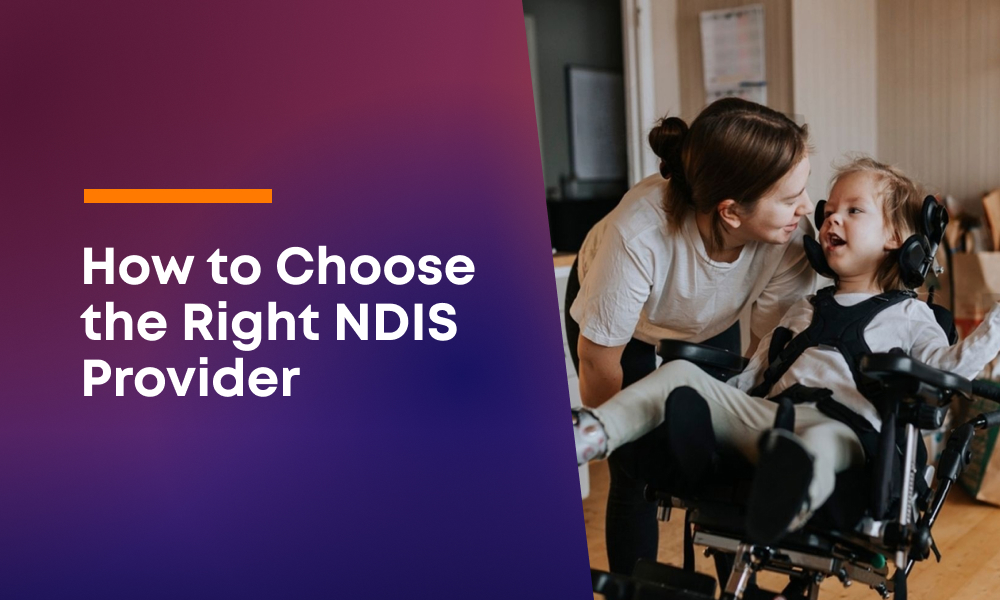
Choosing the right support partner can feel overwhelming, especially when your wellbeing or the wellbeing of someone you love is involved. If you are looking for a registered NDIS provider in Melbourne, you need to know what separates a reliable provider from the rest. The right provider should understand your goals, offer suitable services and communicate clearly. They should also take a person-centred approach that respects your preferences and supports your independence. Essential Care Victoria helps participants make informed decisions and access personalised support. This guide explains what to look for when choosing an NDIS provider in Melbourne. Quick Answer: How Do You Choose the Right NDIS Provider in Melbourne? Start by identifying your goals and the type of support you need. Then compare registered NDIS providers in Melbourne based on their services, experience, staff, flexibility and reputation. Before you make a decision, speak directly with the provider. Ask questions about their services, support workers, communication and approach to personalised care. The right provider should offer services that match your needs and make you feel comfortable, respected and heard. What Is a Registered NDIS Provider in Melbourne? A registered NDIS provider has completed the relevant registration process with the NDIS Quality and Safeguards Commission and must meet applicable quality and safety requirements. Registration can give participants greater confidence when choosing a provider. It shows that the organisation has gone through the NDIS registration process and operates within the relevant regulatory framework. When comparing providers, you should still look beyond registration. Consider the provider’s experience, services, communication and ability to meet your individual goals. Why Choose a Registered NDIS Provider in Melbourne? Trust plays an important role when choosing disability support. Participants and families want to know that their provider takes safety, quality and reliable service seriously. A registered provider can also give participants confidence that the organisation operates within the NDIS regulatory framework. Other factors can also influence your decision, including: The services available Staff experience and qualifications Personalised support options Communication and responsiveness Flexibility around your needs Feedback from other participants Registration provides an important starting point, but it should not become the only factor you consider. Key Factors to Consider When Choosing an NDIS Provider in Melbourne Choose Services That Match Your Needs Every participant has different goals and support requirements. Before choosing an NDIS provider in Melbourne, identify the services you actually need. Depending on your plan and circumstances, this could include personal care, domestic assistance, community participation, supported independent living, therapy or other forms of support. Ask the provider how their services can support your specific goals rather than simply choosing an organisation with the longest service list. Look at Experience and Qualified Staff The people delivering your support can have a major impact on your experience. Ask about the provider’s team, their qualifications and their experience supporting people with similar needs. A reliable NDIS provider in Melbourne should have staff who understand participant needs and can provide consistent support. You can also ask how the provider matches support workers with participants. The right match can make it easier to build trust and maintain a positive support relationship. Look for Flexible and Personalised Support Good support should fit into your life rather than force your life around a rigid service. Look for a provider that listens to your preferences and adapts its approach where possible. Flexible scheduling and personalised support can help you feel more comfortable and maintain greater control over your routine. During your first conversation, explain what matters to you and ask how the provider would accommodate those preferences. Check Reputation and Reviews Reviews and testimonials can provide useful insight into a provider’s approach and service quality. Look for consistent feedback about communication, reliability, staff and participant experiences. Do not rely on a star rating alone. Read the details and consider whether the experiences described relate to the type of support you need. You can also ask the provider questions about their experience and approach before making your decision. Pay Attention to Communication Communication can make a significant difference to your experience with an NDIS provider. Choose a provider that responds to enquiries, explains its services clearly and takes time to answer your questions. You should feel comfortable raising concerns and asking for clarification when you need it. A responsive team can make the process easier for both participants and their families. Why Choose Essential Care Victoria? Essential Care Victoria focuses on participant-centred support and personalised care. The team takes time to understand individual needs, goals and preferences before developing an appropriate support approach. As an NDIS provider in Melbourne, Essential Care Victoria aims to help participants build independence, confidence and a better quality of life through tailored support. The organisation’s approach focuses on understanding the individual rather than treating every participant in the same way. This can help create stronger relationships betweenhttps://essentialcarevictoria.com.au/our-services/ participants, their families and support workers. About Essential Care Victoria Essential Care Victoria provides compassionate and professional support designed around individual participant needs. The organisation aims to deliver respectful, inclusive and personalised services that help participants work towards their goals and maintain greater independence. You can learn more about Essential Care Victoria and its NDIS services through the organisation’s website. Common Mistakes to Avoid When Choosing an NDIS Provider Choosing an NDIS provider based on one factor alone can lead to problems later. Common mistakes include: Choosing based only on price Failing to check registration Not asking about staff experience Ignoring compatibility with support workers Choosing a provider without checking its services Not asking questions about communication Signing an agreement without understanding the services Assuming every provider offers the same level of support Cost matters, but it should not become the only deciding factor. The cheapest option may not provide the right service, experience or support structure for your needs. Compatibility also matters. A provider may offer excellent services, but you still need to feel comfortable with its approach and the people delivering your support. How to Get Started With
