
The NDIS Money Families Save Can Simply Vanish

Holding NDIS funding back for a harder month feels sensible, and for years it mostly worked. Funding now arrives in instalments, and anything still unused when a plan ends doesn’t follow a family into the next one. Plenty of families do it without thinking. Skip a few support hours in a quiet month, keep the funding in reserve, and draw on it later when school holidays hit or a carer gets sick. It feels like the responsible thing to do with an essential care fund. Under the way NDIS plans now work, it can quietly cost them. Funding Now Arrives in Instalments Since 19 May 2025, new and reassessed NDIS plans release funding in set periods rather than as one lump sum. Three months is the default, according to the NDIA, though the agency can set different periods depending on a participant’s circumstances. The total in the plan doesn’t change. Only the timing does. That timing matters more than it sounds. A family counting on a big chunk of funding in month two, for respite over the school holidays or extra hours while a parent recovers from surgery, may find only a quarter of the year’s support has been released so far. Unspent Isn’t the Same as Saved Money left over in one period generally carries forward into the next within the same plan, which takes some of the sting out. The hard line sits at the end of the plan itself. Whatever hasn’t been used by then doesn’t roll into the new plan. It’s gone. There’s a quieter risk as well. A plan that keeps coming in well under budget can look like a plan that was never really needed, and nobody wants to be explaining that at reassessment, least of all a family whose underspend came from shifts that were never filled. The Underspend Often Isn’t the Family’s Choice For a lot of families arranging essential care in Melbourne, unused funding was never a savings plan. It’s cancelled shifts, a worker who left and was never replaced, a waitlist that ran months longer than promised. The budget sits there while the support simply doesn’t happen, and the family carries the load in the meantime. NDIS providers in Victoria all work to the same price limits and the same Practice Standards. Whether a provider can actually staff a family’s hours, week after week, is where they stop looking alike. Questions Worth Asking Before Next Quarter Ask how a sick day gets covered, and how quickly a replacement worker is confirmed. Ask whether someone will flag it early if hours start falling behind the plan, rather than letting the gap sit until review. A good NDIS provider in Victoria should be watching the budget alongside the family, not leaving them to find the shortfall in the final month. Essential Care Victoria Keeps the Hours Moving What essential care in Victoria looks like day to day comes down to hours that actually happen. Essential Care Victoria runs separate teams for domestic support, SIL, respite, behaviour support and coordination, so one worker leaving doesn’t stall every service a family leans on, and a busy quarter can be planned for. Check the plan end date against what’s left in each budget, and do it now rather than in the last few weeks. Support used steadily through the year does far more good than a pile of unspent funding that runs out of time.
CHSP Melbourne: Eligibility, Costs and Home Support Services

Most government support programs in Australia involve an income or asset test. However, the Commonwealth Home Support Programme (CHSP) works differently. For older Australians who want to remain independent at home, understanding how CHSP works can make accessing support much easier. If you are searching for CHSP Melbourne or home help Melbourne, it is important to understand what the program covers, how assessments work, and whether you need to contribute towards the cost of services. No Income Test, Just an Affordable Contribution The Commonwealth Home Support Programme is an entry-level government program that helps eligible older Australians continue living independently at home. CHSP is not income or asset tested. Instead, providers may ask clients to contribute towards the cost of their services. Contributions are discussed with the provider and should reflect the person’s capacity to pay. People should not be denied access to CHSP services solely because they cannot afford the contribution. This makes CHSP different from many other government support programs and can provide reassurance to older people and their families who are concerned about the cost of care. How the CHSP Assessment Works The first step is to contact My Aged Care to discuss your needs and arrange an assessment if appropriate. Eligible people who need entry-level support are generally assessed through the Regional Assessment Service (RAS). The assessment considers their circumstances, daily challenges and the assistance they need to remain independent. The outcome helps determine which services may be suitable and is used to develop a support plan. People who need more comprehensive or ongoing support may be directed towards the Support at Home program, depending on their assessment and circumstances. Understanding which program applies can help families avoid unnecessary delays when arranging care. More Than Cleaning and Personal Care When people search for domestic assistance and NDIS, they may not realise how many different services can be available through CHSP. Depending on eligibility, assessment and local provider availability, CHSP services may include: Domestic assistance: Help with household cleaning and everyday tasks. Personal care: Assistance with daily routines and personal hygiene. Home maintenance: Support with minor repairs and home modifications. Meals: Help accessing meals and nutritional support. Transport: Assistance getting to appointments and essential activities. Nursing and allied health: Selected health-related support services. Social support: Activities that help people stay connected with their community. Respite care: Short-term support that gives family carers a break. Some people may benefit from several services rather than just one. The right combination depends on their individual needs, assessment and available support. It is also important to remember that CHSP and the NDIS are separate programs with different eligibility requirements. CHSP Changes to Know About in 2027 The transition from CHSP to Support at Home has been scheduled for no earlier than 1 July 2027. Until then, CHSP continues to operate as a separate program. Changes to aged care regulation have also affected providers. The new Aged Care Act came into effect on 1 November 2025, bringing changes to the regulatory framework for aged care services. Older Australians and their families should confirm current program arrangements with My Aged Care or their service provider, particularly when planning ongoing support. Essential Care Victoria: Home Support Services in Melbourne Finding the right home support provider can make it easier for older Australians to maintain their independence and continue living in familiar surroundings. Essential Care Victoria provides home support services across Melbourne, including assistance with domestic tasks and social support, subject to service availability and individual eligibility. If you are exploring CHSP services, start by confirming your eligibility and assessment pathway. Essential Care Victoria can help you understand the next steps and discuss suitable home support options. Choosing the right support early can help older people and their families plan with greater confidence and peace of mind.
One Wrong Support Role Can Waste Valuable Hours

Choosing the right type of support is an important part of managing everyday care. A disability support worker and a support coordinator may both work with the same person, but their responsibilities are quite different. One focuses on practical, day-to-day assistance. The other helps organise services, communicate with providers and make sense of a person’s support arrangements. Confusing the two can result in time being spent on the wrong type of assistance. For families looking for disability support services in Melbourne, understanding this difference can make the search much easier. What Does a Disability Support Worker Do? A disability support worker in Melbourne generally provides practical assistance based on a person’s individual needs. Depending on the support arrangement, their work may include: Personal care and daily routines Household assistance Community participation Assistance with appointments Transport and outings Meal preparation Medication reminders Support with everyday activities The focus is usually on helping a person manage daily life and maintain greater independence. A support worker is not normally responsible for managing a person’s overall support plan or coordinating every service they receive. What Does a Support Coordinator Do? A support coordinator in Melbourne has a different role. Rather than providing regular hands-on assistance, a coordinator helps bring different parts of a person’s support together. This can involve: Connecting people with suitable providers Coordinating different services Communicating with support providers Helping resolve service-related issues Understanding available support arrangements Helping maintain consistency between different services People searching for support coordinators near me are generally looking for help organising their support rather than someone to provide regular personal care. Why Choosing the Right Support Matters The difference between these roles may seem straightforward, but it can easily become confusing when several services are involved. For example, a support worker may be the right person to assist with a daily routine, while a coordinator may be better placed to deal with a problem involving multiple providers. Using one role to perform the responsibilities of another can result in time and resources being used inefficiently. The right choice depends on the person’s individual circumstances, support requirements and existing arrangements. Support Coordination Can Vary Not everyone needs the same level of coordination. Some people may only need occasional assistance connecting with services, while others may require more ongoing coordination because they have multiple providers or more complex support requirements. A coordinator may therefore help with: Connecting servicesFinding and establishing relationships with appropriate providers. Managing communicationHelping different providers understand their responsibilities and work together. Addressing problemsAssisting when a service changes, becomes unavailable or is not meeting expectations. Building independenceHelping people develop the confidence and skills to manage their own support arrangements where possible. Finding Disability Support Services in Melbourne Searching for disability support services in Melbourne can produce many different providers and service types. Before contacting a provider, it helps to identify what kind of assistance is actually required. If the main need is help with everyday activities, personal care or community participation, a disability support worker may be appropriate. If the challenge is managing several providers, organising services or resolving coordination issues, a support coordinator may be more suitable. Some providers offer both types of services, but the responsibilities should remain clearly defined. Support Worker vs Support Coordinator Disability Support Worker Support Coordinator Provides practical, day-to-day assistance Helps organise and coordinate services Works directly with the individual May work with the individual and multiple providers Can assist with personal care and daily activities Helps manage communication between services Supports community participation and routines Helps address coordination issues Focuses on the person’s immediate support needs Focuses on the broader support arrangement The Key Takeaway A disability support worker and a support coordinator can both play an important role, but they serve different purposes. Understanding the difference before choosing a service can help individuals and families find support that better matches their actual needs. For people looking for disability support services in Melbourne, the most useful starting point is to identify the type of assistance required and then look for a provider with experience in that area.
What Separates the Top NDIS Providers in Melbourne From the Rest

When people search for top NDIS providers in Melbourne, they often find the same type of information: a list of providers, an office address, a phone number, and a short statement about person-centred support. But this information does not always explain what really matters after a participant starts receiving support. With more than 205,000 active NDIS participants across Victoria and more than 70 registered providers operating in Melbourne, choosing a provider is not simply about finding the one that claims to be the “best.” It is about finding a provider that suits the participant’s needs, goals, routine, and lifestyle. Why “Top 10” Lists Do Not Tell the Whole Story A directory listing can tell you whether a provider is registered and what services it offers. However, it cannot tell you everything about the quality of support you can expect. For example, a directory cannot tell you: Whether the same support workers consistently provide care How quickly the provider responds to questions or concerns How complaints are handled Whether support is genuinely tailored to the participant’s goals How flexible the provider is when a participant’s needs change These details often make the biggest difference to a participant’s experience, yet they are rarely included in simple provider rankings. Experience Does Not Always Mean Better NDIS Support A provider that has been operating for many years is not automatically the right choice. What matters is how that experience is reflected in everyday support. An experienced NDIS provider in Melbourne should understand how the NDIS sector changes over time, including updates to pricing, audits, registration requirements, and service standards. More importantly, that experience should lead to consistent support. Participants and families should be able to expect reliable communication, professional service, and a support approach that remains focused on their individual needs. What Does the Right Fit Really Mean? Every participant has different needs, goals, and routines. For someone with complex physical support needs, the right provider may need to offer a different level of assistance than a provider supporting someone who is working towards greater independence. Similarly, a family coordinating support around school, work, appointments, and other responsibilities may need a provider that offers flexibility and reliable communication. An experienced provider should take the time to understand these differences during the initial conversation rather than offering the same standard approach to everyone. More Registered Providers Does Not Mean They Are All the Same Melbourne has a growing number of registered NDIS providers, giving participants and families more choice. However, registration should only be the starting point when comparing providers. A registration certificate does not tell you whether a provider has good communication, consistent staff, responsive management, or a strong approach to participant support. Before choosing a provider, it is worth looking beyond registration and asking how the organisation actually delivers its services. Why Service Lists Can Be Misleading Many NDIS provider websites list similar services, including: Household tasks Community participation Life skills development Accommodation and tenancy support Travel assistance These services are important, but the list itself does not explain how they are delivered. For example, household support should reflect the participant’s individual routine and preferences. If those needs change, the support should be able to change with them. The quality of service is often more important than the number of services listed on a website. What Should an NDIS Provider Explain Before You Sign? A reliable NDIS disability service provider in Melbourne should be willing to answer practical questions before you agree to a service. You may want to ask: Who will be my main point of contact? What happens if my needs or goals change? How are changes to my NDIS plan managed? What happens if my regular support worker leaves? How can I raise a concern or make a complaint? How will the provider communicate with me and my family? Clear answers to these questions can tell you much more about a provider than a general statement about offering “person-centred support.” If a provider avoids specific questions or only gives broad answers, it may be worth considering this carefully before signing a service agreement. What Do the Best NDIS Service Providers Have in Common? The strongest NDIS service providers in Melbourne are not necessarily the largest organisations or the ones offering the longest list of services. What matters is consistency. Good support should include reliable communication, familiar support workers where possible, flexible plans, and a willingness to listen when a participant’s needs change. A good provider should also make it easy for participants and families to ask questions and raise concerns. These everyday experiences can have a much greater impact than simply appearing near the top of a “top 10” provider list. How Essential Care Victoria Is Different Essential Care Victoria is a registered NDIS provider based in Ascot Vale, Melbourne. The organisation provides support across areas including household tasks, community participation, life skills development, accommodation and tenancy support, and travel assistance. However, a list of services alone does not tell you whether a provider is the right fit. The best way to find out is to speak directly with the provider and ask specific questions about your needs, goals, support arrangements, communication, and what happens if circumstances change. Choosing an NDIS provider is an important decision. Instead of focusing only on rankings, registration, or a list of services, look at how the provider communicates, how consistently it delivers support, and whether it genuinely understands the participant’s individual needs.
The NDIS Rate Just Went Up. Here Is What Still Separates One Provider From Another

These days, with NDIS rates changing, price is no longer the best way to compare providers. This will help you identify what truly separates quality disability support, from consistent workers and reliable communication to personalised care that fits into a participant’s everyday life. From 1 July 2026, the hourly rate NDIS providers can charge for standard support worker services rose from $70.23 to $73.58, and every participant’s plan is being reindexed to reflect it from 13 July. That is not really a story about money running out faster than expected. It is a reason to ask a sharper question than most families get around to: now that the price cap is the same for almost every registered provider, what is actually separating one from another? For years, price was the easy shorthand for comparing providers, even when it was never a very good one. With price caps standardised and moving at the same pace across the sector, that shorthand stops working almost entirely, and families are left having to ask a better question in its place. The Price Cap Just Moved. What Separates Providers Did Not. A provider charging the maximum rate and a provider charging slightly under it are now closer together than ever, because the ceiling itself just rose for everyone at once. What was already true before 1 July is simply harder to hide behind price now: two providers charging almost identical rates can deliver completely different experiences, one with a support worker who knows a participant’s routine inside out, the other with a different face every few weeks and a roster that changes without warning. The invoice looks the same either way. What “Best” Actually Means When Every Provider Charges the Same Search for the best NDIS providers in Melbourne and most lists rank on the same handful of things: years in operation, number of services offered, star ratings pulled from a review page. None of that is wrong exactly, but none of it answers the question that actually predicts a good experience, which is whether the same small group of support workers turns up week after week, whether communication is proactive rather than reactive, and whether the provider genuinely understands the suburb and the community the participant is trying to stay connected to. A provider can look identical to a competitor on paper, list the same services, hold the same registration, and still offer a completely different experience once a service agreement is actually signed. A Question Worth Asking Before the Price Comparison Take this in, two providers quoting almost the same rate for community participation support. One sends whichever worker is rostered free that day. The other has assigned a named primary worker with a backup who has already met the participant, and both know the family’s routine well enough to flag a change before it becomes a problem. On paper, at the new July rate, both invoices look identical. In practice, one of those arrangements protects a participant’s stability and the other does not, and the only way to tell them apart is to ask directly, not to compare the number at the bottom of the quote. A few other questions cut through just as quickly. How long has the team actually been working in Melbourne, not just registered as a business. What happens if a regular support worker is sick or leaves, is there a genuine backup plan or does the roster simply go blank. Does the conversation start with goals and community, or does it start and end with which support categories a plan covers. None of that appears on an invoice, and all of it matters more than the number that does. Finding an NDIS Service Provider in Melbourne That Fits Your Actual Week The right NDIS service provider in Melbourne is not necessarily the one with the longest services list or the flashiest website. It is the one whose actual delivery matches what a participant’s week really looks like: the same worker for community access on a Tuesday, someone who actually knows what to do, even the point of contact who will answer the phone rather than routing every question through a general inbox. That fit rarely shows up in a price comparison, and it is exactly the thing worth asking about directly before signing anything, price increase or not. It is also worth checking the NDIS Provider Register directly rather than relying on a homepage badge, since registration status, and any history of compliance action, is a matter of public record and takes only a few minutes to confirm. What Sets Essential Care Victoria Apart Essential Care Victoria delivers daily living support, community participation, life skills development, and health and wellbeing services across Melbourne, built around a person-centred approach and a Melbourne-based team that stays consistent rather than rotating through whoever happens to be available that week. Support plans are shaped around each participant’s actual goals and adjusted as those goals change, delivered by workers who know the participant well enough to notice a shift before it becomes a problem, not just well enough to complete the shift. Registered, locally grounded, and built around the relationship rather than the price list, because from 1 July that price list looks the same as almost everyone else’s anyway. The rate just went up for the whole sector. What has not changed is that the family asking the better question, not just the cheaper one, still ends up with the better outcome. If you are weighing up providers before the new rate kicks in, Essential Care Victoria is worth a conversation about what your family’s week actually needs.
What Changed for NDIS Providers in Victoria This Week, and Why It Matters for Every Melbourne Family

Choosing the right NDIS provider in Melbourne and Victoria involves more than checking a registration badge. This guide explains what NDIS registration means, how recent changes affect providers and families, and what to look for when choosing a trusted provider that delivers safe, compliant, and personalised support. On 1 July 2026, the rules quietly shifted for a section of the NDIS that has largely sat outside formal oversight until now. Supported independent living providers and platform providers across the country began transitioning into mandatory registration with the NDIS Quality and Safeguards Commission, a change years in the making that most participants and families will only feel indirectly, through the questions it now raises about every other provider on their list. It is a fair question to ask. If part of the sector is only now being required to register, what has registration actually been guaranteeing for the providers who have held it all along? And does any of this change what a family in Ascot Vale, Dandenong, or Geelong should be asking before they sign a service agreement this year? For most people, the honest answer is that nobody has ever explained what registration actually checks for, so it gets treated as a small print detail rather than the protection and the standard it is meant to be. What “Registered” Actually Involves Registration with the NDIS Commission is not a form filled out once and forgotten. A provider has to apply, be audited against the NDIS Practice Standards, and pass a suitability assessment covering both the organisation and its key personnel, meaning directors, executives, and anyone with real influence over how the business runs. Once approved, registration generally holds for three years, after which the whole process starts again from scratch. Workers in risk-assessed roles also need a current worker screening clearance, checked against a national database before they are ever matched with a participant, not simply taken on trust because a uniform or a name badge says otherwise. Following legislation passed in April 2026, the civil penalties for providers who engage unscreened workers also increased sharply, which is a clear signal that oversight in this sector is tightening well beyond just the registration paperwork itself. Why the July Change Signals Something Bigger Supported independent living and platform providers were pulled into mandatory registration after multiple independent reviews found the existing oversight of those services was not strong enough. Interestingly, a parallel push to require registration for support coordinators has been paused while the Commission considers further reform, which says something honest about how unevenly the sector has been regulated up to now. Across the country, the bar a registered provider is held to is the same bar a growing share of the industry is now being pulled toward, whether the supports involved are accommodation based, platform delivered, or the everyday personal and community support most participants actually use week to week. Registered Versus Unregistered: What It Changes for You Whether registration is compulsory for your situation depends on how your plan is managed. Participants with NDIA-managed funding must use registered providers for the relevant support. Plan-managed and self-managed participants have more flexibility and can choose an unregistered provider for most services, though the protections that come with registration do not disappear just because they are optional. A registered provider has already been checked against the Practice Standards, is bound by the NDIS Code of Conduct, and sits within a formal complaints pathway through the Commission if something goes wrong. An unregistered provider may still do genuinely good work, but none of that has been independently verified by anyone outside the business itself. Finding a Genuine NDIS Provider in Melbourne A logo or a line of text claiming registered status is not proof of anything on its own. The NDIS Provider Register, run by the Commission, lets anyone search a provider by name or ABN and see their actual registration status, including whether it has ever been suspended or revoked. It takes about the same amount of time as reading a website’s About page, and it is the only way to know for certain that an NDIS provider in Melbourne is who it says it is. Before signing anything, it is worth doing three quick things: search the provider on the register, ask them directly for their registration number, and confirm that number matches what the register shows. Families comparing options are well within their rights to expect straight answers to all three, rather than taking a homepage badge at face value. The Same Question, Multiplied Across the State Melbourne gets most of the attention, but the same due diligence matters everywhere from Geelong to Bendigo to Wodonga. NDIS providers in Victoria vary enormously in how locally embedded they actually are. A provider with genuine presence in a region understands which allied health services, transport options, and community programs are realistically available there, something a call centre answering for a business based interstate cannot replicate no matter how polished the website looks. Registration is the baseline every provider should clear. Local knowledge is what actually determines whether a support plan translates into a liveable routine rather than a document that sounds good on paper. Where Essential Care Victoria Fits Into This Essential Care Victoria operates out of Ascot Vale as a registered NDIS provider in Australia, and this year’s regulatory shift has not changed much about how the team already works, because registration was never treated as a checkbox to clear and forget. Their services cover daily living support, community participation, life skills development, and health and wellbeing, delivered by a Melbourne-based team that understands the difference between a support plan on paper and a support plan that actually fits someone’s week. Anyone weighing up providers right now is welcome to check the Provider Register directly, then have a genuine conversation about what consistent, locally grounded support actually looks like in practice. The
How Are NDIS Support Services Different From Home Care, and Which One Is Right for You?

Learn the key differences between NDIS daily living support and Australia’s Support at Home program, including eligibility, services, funding, and how Essential Care Victoria helps Melbourne participants achieve greater independence. If you or someone you care about needs support at home, you have probably come across both the NDIS and aged care home support programs at some point, and chances are the difference between the two was not immediately obvious. They can sound similar on the surface: a support worker comes to the house, helps with daily tasks, and makes life a little more manageable. But the two systems are built on entirely different frameworks, designed for different people, and funded in very different ways. Understanding how NDIS support services compare to home care is one of the most important pieces of information a person with disability or their family can have, because choosing the right pathway shapes everything that follows. Here is a clear, straightforward breakdown of how they differ, who qualifies for each, and what that means in practice for Victorians navigating the system right now. What Is the Core Difference Between NDIS Daily Living Support and Home Care? The simplest way to understand the distinction is this: NDIS daily living support is designed for people with permanent disability, with a focus on building independence and achieving personal goals. Home care, now delivered through Australia’s Support at Home program, is designed for older Australians who need assistance to continue living safely at home as they age. The philosophy behind each program is fundamentally different. The NDIS is oriented toward capability, growth, and self-determination. It asks: what does this person want to achieve, and how can funded support help them get there? The Support at Home program is oriented toward safety, comfort, and daily maintenance. It asks: what does this person need to stay well and independent at home given the challenges of ageing? Both are valuable. Both serve real and important needs. But confusing the two, or trying to access the wrong one for your situation, can mean delays, funding gaps, and support that does not actually match what you need. Who Is Actually Eligible for NDIS Daily Living Support? To access the NDIS, a person must be under 65 years of age at the time of their first application. They must also have a permanent disability that substantially impacts their ability to participate in everyday activities. That disability can be physical, intellectual, psychosocial, sensory, cognitive, or neurological. The key word is permanent: the NDIS is not designed for temporary conditions or short-term recovery. The aged care Support at Home program, which replaced the previous Home Care Packages Program on 1 November 2025, is for people aged 65 and over, or 50 and over for Aboriginal and Torres Strait Islander people. Eligibility is assessed through My Aged Care based on your care needs, not your financial situation. If you meet the care needs criteria, you can access government-funded support regardless of your income or assets. One question that comes up often is what happens when someone with disability turns 65. In most cases, people already receiving NDIS supports can continue with the NDIS after 65, though they cannot make a new application to join the scheme after that age. This is an important detail for participants and families to plan around well in advance. What Does NDIS Assistance With Daily Living Actually Cover? Assistance with Daily Life is one of the four Core Support categories within the NDIS, and it is the one most directly comparable to what people associate with home care. The NDIS support services within this category are practical and hands-on: personal care, meal preparation, household tasks, help with daily routines, support with community access, and assistance developing consistent habits and structures that help a person live more independently. It is worth noting the difference between Assistance with Daily Life and Improved Daily Living, because the two are often confused. Assistance with Daily Life addresses your current, ongoing practical needs. A support worker helping you prepare meals, shower, or manage your household tasks each day falls under this category. Improved Daily Living sits in the Capacity Building budget and funds therapy and training designed to help you develop skills over time. An occupational therapist working with you to build techniques that reduce your reliance on a support worker over the long term is an example of Improved Daily Living in practice. As the late Christopher Reeve once said, ‘It is not our disabilities; it is our abilities that count.’ The NDIS was built with exactly that principle in mind. The goal is never simply to provide a service. It is to support a person to live as fully and as independently as possible on their own terms. What Is the Support at Home Program and How Does It Compare? The Support at Home program launched on 1 November 2025, replacing the previous Home Care Packages system. It now offers eight levels of funding, ranging from approximately $11,000 to $78,000 per year, compared to the previous four-level structure. The program is divided into three categories of support: clinical care such as nursing and allied health, independence support such as personal care and help getting ready each day, and everyday living such as housework, meal preparation, and garden maintenance. For participants accessing NDIS support services Melbourne providers deliver, the Support at Home program is a separate system with a separate assessment process through My Aged Care. The two programs do not overlap in terms of eligibility: if you are under 65 and have a permanent disability, you are in the NDIS system. If you are 65 or over and need support to live at home, you are in the aged care system. The critical distinction is that aged care support is generally focused on maintaining your current level of functioning, while NDIS daily living support is specifically oriented toward helping you
Why Choosing the Right NDIS Provider in Melbourne Changes Everything for Physiotherapy

There is a saying that goes, “the right support at the right time changes everything.” Nowhere is that more true than in the world of the NDIS. For Melburnians living with disability, finding a physiotherapy service that genuinely understands your goals, your funding, and your life is not just a nice-to-have. It is the difference between a plan that sits in a drawer and one that actually moves you forward. Choosing the right NDIS provider in Melbourne for your physiotherapy needs is one of the most important decisions you will make under the scheme, and it deserves far more thought than most people give it. Let us tell you what you should actually be looking for and why it matters so much. What Does NDIS Physiotherapy Actually Cover? Before diving into how to choose the right provider, it helps to understand what NDIS-funded physiotherapy can actually look like in practice. Under the NDIS, physiotherapy falls under the Therapeutic Supports category of your plan. This can include assessment and treatment of physical conditions, mobility support, exercise programs tailored to your goals, and therapy designed to help you maintain or improve your independence at home and in the community. For participants with conditions affecting movement, strength, coordination, or chronic pain, physiotherapy can be genuinely life-changing. But only if it is delivered by a team that understands both the clinical side and the NDIS funding framework. That combination is rarer than it should be, and it is exactly why choosing your NDIS provider in Melbourne with care matters so much. Why Does the Right Provider Make Such a Big Difference? Think about it this way. The NDIS gives you choice and control over your supports, which is a powerful thing. But that choice is only as good as the options you are choosing between. A provider that treats every participant the same way, delivers templated programs, and fails to communicate clearly is not really giving you a choice at all. They are just filling hours in your plan. The best NDIS provider in Melbourne takes a completely different approach. They start by actually listening. What are your goals? What does a better day look like for you? What barriers are getting in the way right now? From there, every aspect of your physiotherapy support is built around those answers, not around what’s more convenient for the provider. At Essential Care Victoria, this person-centred approach is not a talking point. It is how every support plan is built. The team works closely with participants, families, and carers to design services that are flexible, practical, and genuinely aligned with what each individual is trying to achieve. A care plan designed based on your needs. Enquire About NDIS Physiotherapy Support Today What Should You Look for When Choosing an NDIS Physiotherapy Provider? This is the question that deserves a straight answer, because with so many providers operating across NDIS Melbourne services, it can feel genuinely overwhelming to know where to start. Here are the things that actually matter. Registration status. Always choose a registered NDIS provider. This means the provider has met the quality and safeguarding requirements set by the NDIS Commission, which gives you a real layer of protection and accountability. Essential Care Victoria is a registered NDIS provider, which means participants and their families can engage with complete confidence. It’s the bare minimum. Personalised planning. Steer clear of providers who offer the same program to everyone regardless of their condition, goals, or lifestyle. Good physiotherapy under the NDIS is never one-size-fits-all. Look for a team that takes the time to understand your individual situation and builds a plan that evolves as your needs change. Consistency of care. One of the most common frustrations NDIS participants report is being seen by a different therapist every session. Consistency matters enormously in physiotherapy. Progress is built on relationship and trust, and that cannot happen when you are constantly starting over with someone new. Look for a provider that prioritises stable, dependable support workers and therapists. Here, we build genuine relationships. Clear communication. Your provider should be able to explain your plan in plain language, answer your questions without jargon, and keep you informed at every stage. If you walk away from a conversation more confused than when you started, that is a red flag. Local knowledge. An NDIS provider in Melbourne who genuinely knows the local community, the available resources, and the specific landscape of Melbourne suburbs is worth their weight in gold. Local knowledge means faster connections to the right support and a team that understands your world. How Does Essential Care Victoria Approach NDIS Physiotherapy Support? Essential Care Victoria has built its entire model around the idea that great support starts with great listening. From the very first consultation, the focus is on understanding each participant as an individual, not as a funding category or a set of clinical needs to be ticked off a list. The process is straightforward. An initial consultation is used to understand your goals, your current situation, and how your NDIS funding can best be used to support you. From there, a tailored support plan is developed and delivered consistently, with regular reviews to make sure the support is keeping pace with your progress and your changing needs. Across Melbourne, Essential Care Victoria supports participants with a wide range of conditions and goals, from improving mobility and managing chronic pain to building the physical capacity to participate more fully in community life. The team delivers supports that are responsive, dependable, and built entirely around the individual. For families and carers navigating the NDIS on behalf of a loved one, that kind of clarity and consistency is not just reassuring. That is basic. Ready to Find the Right NDIS Support for Your Physiotherapy Goals? The NDIS exists to give people with disability genuine choice and control over their lives. But that promise only becomes real when the provider you choose is genuinely committed to your goals, not just your funding.
How to Choose the Right NDIS Provider in Melbourne
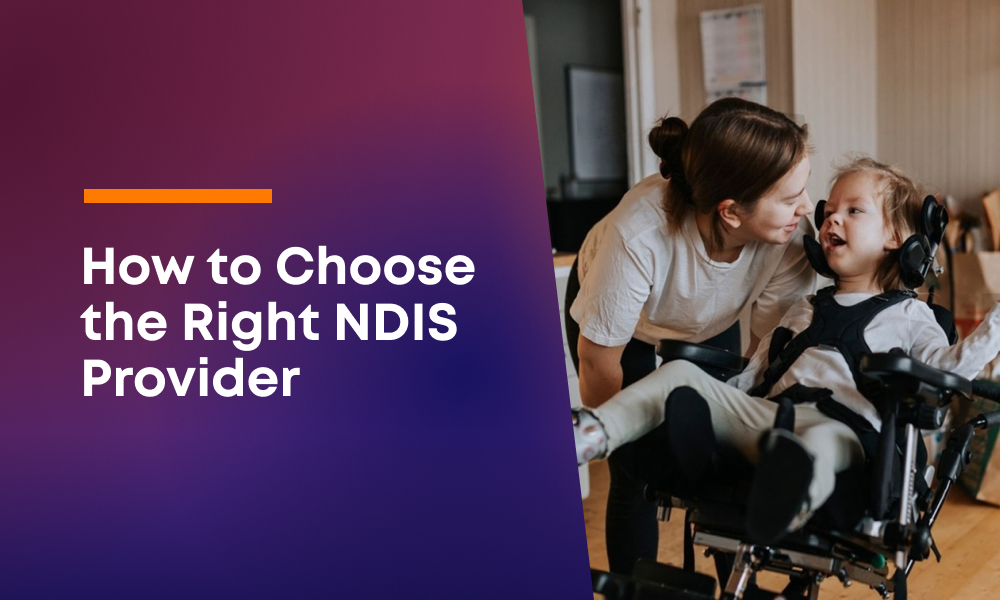
Choosing the right support partner can feel overwhelming, especially when your wellbeing or the wellbeing of someone you love is involved. If you are looking for a registered NDIS provider in Melbourne, you need to know what separates a reliable provider from the rest. The right provider should understand your goals, offer suitable services and communicate clearly. They should also take a person-centred approach that respects your preferences and supports your independence. Essential Care Victoria helps participants make informed decisions and access personalised support. This guide explains what to look for when choosing an NDIS provider in Melbourne. Quick Answer: How Do You Choose the Right NDIS Provider in Melbourne? Start by identifying your goals and the type of support you need. Then compare registered NDIS providers in Melbourne based on their services, experience, staff, flexibility and reputation. Before you make a decision, speak directly with the provider. Ask questions about their services, support workers, communication and approach to personalised care. The right provider should offer services that match your needs and make you feel comfortable, respected and heard. What Is a Registered NDIS Provider in Melbourne? A registered NDIS provider has completed the relevant registration process with the NDIS Quality and Safeguards Commission and must meet applicable quality and safety requirements. Registration can give participants greater confidence when choosing a provider. It shows that the organisation has gone through the NDIS registration process and operates within the relevant regulatory framework. When comparing providers, you should still look beyond registration. Consider the provider’s experience, services, communication and ability to meet your individual goals. Why Choose a Registered NDIS Provider in Melbourne? Trust plays an important role when choosing disability support. Participants and families want to know that their provider takes safety, quality and reliable service seriously. A registered provider can also give participants confidence that the organisation operates within the NDIS regulatory framework. Other factors can also influence your decision, including: The services available Staff experience and qualifications Personalised support options Communication and responsiveness Flexibility around your needs Feedback from other participants Registration provides an important starting point, but it should not become the only factor you consider. Key Factors to Consider When Choosing an NDIS Provider in Melbourne Choose Services That Match Your Needs Every participant has different goals and support requirements. Before choosing an NDIS provider in Melbourne, identify the services you actually need. Depending on your plan and circumstances, this could include personal care, domestic assistance, community participation, supported independent living, therapy or other forms of support. Ask the provider how their services can support your specific goals rather than simply choosing an organisation with the longest service list. Look at Experience and Qualified Staff The people delivering your support can have a major impact on your experience. Ask about the provider’s team, their qualifications and their experience supporting people with similar needs. A reliable NDIS provider in Melbourne should have staff who understand participant needs and can provide consistent support. You can also ask how the provider matches support workers with participants. The right match can make it easier to build trust and maintain a positive support relationship. Look for Flexible and Personalised Support Good support should fit into your life rather than force your life around a rigid service. Look for a provider that listens to your preferences and adapts its approach where possible. Flexible scheduling and personalised support can help you feel more comfortable and maintain greater control over your routine. During your first conversation, explain what matters to you and ask how the provider would accommodate those preferences. Check Reputation and Reviews Reviews and testimonials can provide useful insight into a provider’s approach and service quality. Look for consistent feedback about communication, reliability, staff and participant experiences. Do not rely on a star rating alone. Read the details and consider whether the experiences described relate to the type of support you need. You can also ask the provider questions about their experience and approach before making your decision. Pay Attention to Communication Communication can make a significant difference to your experience with an NDIS provider. Choose a provider that responds to enquiries, explains its services clearly and takes time to answer your questions. You should feel comfortable raising concerns and asking for clarification when you need it. A responsive team can make the process easier for both participants and their families. Why Choose Essential Care Victoria? Essential Care Victoria focuses on participant-centred support and personalised care. The team takes time to understand individual needs, goals and preferences before developing an appropriate support approach. As an NDIS provider in Melbourne, Essential Care Victoria aims to help participants build independence, confidence and a better quality of life through tailored support. The organisation’s approach focuses on understanding the individual rather than treating every participant in the same way. This can help create stronger relationships betweenhttps://essentialcarevictoria.com.au/our-services/ participants, their families and support workers. About Essential Care Victoria Essential Care Victoria provides compassionate and professional support designed around individual participant needs. The organisation aims to deliver respectful, inclusive and personalised services that help participants work towards their goals and maintain greater independence. You can learn more about Essential Care Victoria and its NDIS services through the organisation’s website. Common Mistakes to Avoid When Choosing an NDIS Provider Choosing an NDIS provider based on one factor alone can lead to problems later. Common mistakes include: Choosing based only on price Failing to check registration Not asking about staff experience Ignoring compatibility with support workers Choosing a provider without checking its services Not asking questions about communication Signing an agreement without understanding the services Assuming every provider offers the same level of support Cost matters, but it should not become the only deciding factor. The cheapest option may not provide the right service, experience or support structure for your needs. Compatibility also matters. A provider may offer excellent services, but you still need to feel comfortable with its approach and the people delivering your support. How to Get Started With
